어떻게 사유했는가
철학은 어렵지 않습니다. 광장의 잡담에서 시작됐으니까요.
지도 위에서 사상가들의 삶과 시대를 따라가며, 당신의 질문을 찾아가는 곳.
Philosophy began as small talk in the agora.
Follow thinkers across the map — and find your own question.
철학은 어렵지 않습니다. 광장의 잡담에서 시작됐으니까요.
지도 위에서 사상가들의 삶과 시대를 따라가며, 당신의 질문을 찾아가는 곳.
Philosophy began as small talk in the agora.
Follow thinkers across the map — and find your own question.
시대마다 지도가 다르고, 시간의 눈금도 다릅니다.Each era has its own map — and its own pace of time.
이 다섯 구분은 확정된 사실이 아니라 하나의 읽는 방법입니다. 특히 「축의 시대」는 칼 야스퍼스가 1949년에 제안한 틀이고, 그 시기와 범위에 대해서는 지금도 이견이 있습니다. These five divisions are a way of reading rather than a settled fact. “The Axial Age” in particular is a framework proposed by Karl Jaspers in 1949, and its dating and scope remain disputed.
매번 다른 질문이 당신을 기다립니다. 질문은 사상가들의 삶에서 자라납니다.A different question awaits each visit — grown from the lives of thinkers.
하루에 한 편. 문장을 손으로 옮기는 동안에만 생기는 것이 있습니다.One piece a day. Some things appear only while your hand is moving.
✍ 말과 침묵✍ Words and Silence
知者不言, 言者不知
아는 자는 말하지 않고, 말하는 자는 알지 못한다.Those who know do not speak; those who speak do not know.
말은 대상을 잘라낸다. 무언가를 말하는 순간 그것은 말해진 만큼만 남고 나머지는 잘려 나간다. 사랑한다고 말하면 사랑이 그 네 글자만큼으로 줄어드는 것처럼.Words cut things down. The moment you say something, only as much as was said remains, and the rest falls away — the way saying I love you shrinks love to the size of three words.
오늘 당신이 "다 말했다"고 여긴 것 가운데, 사실은 말 바깥에 남아 있는 것은 무엇입니까?Of what you believed you had fully said today — what is still standing outside the words?
이어서 옮겨 적기 →Continue copying →
✍ 말과 침묵✍ Words and Silence
言者所以在意, 得意而忘言
말이란 뜻을 담기 위한 것이니, 뜻을 얻으면 말은 잊는다.Words exist for the meaning; once you have the meaning, you can forget the words.
장자는 먼저 통발 이야기를 한다. 통발은 물고기를 잡기 위한 것이니 물고기를 얻으면 통발은 잊는다. 올무는 토끼를 잡기 위한 것이니 토끼를 얻으면 올무는 잊는다.Zhuangzi begins with the fish trap. The trap exists for the fish; once you have the fish, you forget the trap. The snare exists for the rabbit; once you have the rabbit, you forget the snare.
당신이 뜻은 잊은 채 문구만 붙들고 있는 말이 있습니까?Is there a phrase you are still holding on to, long after its meaning slipped away?
이어서 옮겨 적기 →Continue copying →
✍ 말과 침묵✍ Words and Silence
本來無一物, 何處惹塵埃
본래 한 물건도 없거늘, 어디에 티끌이 앉겠는가.From the first, not one thing is. Where, then, would dust alight?
먼저 다른 게송이 있었다. 몸은 보리수요 마음은 밝은 거울이니 부지런히 닦아 티끌이 앉지 않게 하라 — 절에서 가장 학식 높던 승려가 벽에 써 붙인 글이다.Another verse came first. The body is the bodhi tree, the mind a bright mirror; polish it diligently and let no dust settle — written on the wall by the most learned monk in the monastery.
당신이 부지런히 닦고 있는 것 가운데, 애초에 거울이 아니었던 것은 없습니까?Among the things you polish so diligently — is there one that was never a mirror to begin with?
이어서 옮겨 적기 →Continue copying →
✍ 말과 침묵✍ Words and Silence
To be, or not to be, that is the question.
사느냐 죽느냐, 그것이 문제로다.To be, or not to be, that is the question.
이 대사에는 듣는 사람이 없다. 햄릿은 무대에 혼자 서서 자기에게 말한다.There is no listener for this speech. Hamlet stands alone on the stage and speaks to himself.
요즘 당신 안에서 아직 말이 되지 못한 채 뭉쳐 있는 것은 무엇입니까?What is sitting inside you lately in a lump, not yet turned into words?
이어서 옮겨 적기 →Continue copying →
✍ 말과 침묵✍ Words and Silence
In language there are only differences, without positive terms.
언어에는 차이만 있을 뿐, 적극적인 항은 없다.In language there are only differences, without positive terms.
파랑이 무엇인지는 파랑 안에 들어 있지 않다. 초록이 어디서 끝나고 보라가 어디서 시작하는지에 달려 있다.What blue is is not inside blue. It depends on where green stops and violet begins.
최근 당신이 이름을 붙이고 나서야 비로소 보이기 시작한 것이 있습니까?Is there something you began to see only after you had a name for it?
이어서 옮겨 적기 →Continue copying →
✍ 말과 침묵✍ Words and Silence
Colorless green ideas sleep furiously.
무색의 초록 관념들이 맹렬히 잠잔다.Colorless green ideas sleep furiously.
아무 뜻도 없는 문장이다. 그런데 영어를 쓰는 사람은 이것을 문법에 맞는 문장으로 느낀다.The sentence means nothing. And yet an English speaker feels it to be grammatical.
배운 적 없는데 할 줄 아는 일이 당신에게 있다면, 그것은 어디서 온 것일까요?If there is something you can do that you were never taught — where did it come from?
이어서 옮겨 적기 →Continue copying →
✍ 말과 침묵✍ Words and Silence
Of what we cannot speak, we must remain silent.
말할 수 없는 것에 대해서는 침묵해야 한다.Of what we cannot speak, we must remain silent.
이 문장은 책의 마지막 줄이다. 앞의 모든 명제가 번호를 달고 이어지다가, 일곱 번째에 이르러 이 한 줄만 놓이고 책이 끝난다.This is the last line of the book. Every preceding proposition carries a number and runs on; at the seventh, this single line is set down and the book ends.
말로 옮기면 망가질 것 같아 아직 말하지 않은 것이 있습니까?Is there something you have not said, for fear that putting it into words would break it?
이어서 옮겨 적기 →Continue copying →
✍ 어떻게 살 것인가✍ How to Live
諸行無常
만들어진 모든 것은 머물지 않는다.All things that come together come apart.
무상이라는 말은 흔히 허무하게 들린다. 다 사라지니 애쓸 것 없다는 말처럼 읽힌다.Impermanence usually sounds bleak — as if to say that since everything passes, nothing is worth the effort.
지금 당신이 머물러 달라고 붙들고 있는 것은 무엇입니까?What are you gripping right now, asking it to stay?
이어서 옮겨 적기 →Continue copying →
✍ 어떻게 살 것인가✍ How to Live
過則勿憚改
허물이 있거든 고치기를 꺼리지 말라.When you are wrong, do not shrink from changing.
짧고 시시해 보이는 문장이다. 잘못했으면 고치라니, 누가 모르겠는가.A short, unremarkable-looking sentence. If you are wrong, put it right — who does not know that?
틀렸다는 것을 이미 알면서 아직 고치지 않고 있는 일이 있습니까?Is there something you already know you got wrong, and have not yet put right?
이어서 옮겨 적기 →Continue copying →
✍ 어떻게 살 것인가✍ How to Live
Death is nothing to us. When we exist, death is not present; when death is present, we do not exist.
죽음은 우리에게 아무것도 아니다. 우리가 있는 동안 죽음은 없고, 죽음이 왔을 때 우리는 없다.Death is nothing to us. When we exist, death is not present; when death is present, we do not exist.
논리로 보면 흠잡을 데가 없다. 죽음과 나는 한 번도 같은 자리에 있어본 적이 없다. 겪을 주체가 없는 사건을 무서워할 수는 없다는 것이다.As logic it is airtight. Death and I have never once been in the same place. You cannot fear an event with no one there to undergo it.
아직 오지 않은 일 가운데, 당신이 미리 겪고 있는 것은 무엇입니까?Of the things that have not happened — which are you already living through?
이어서 옮겨 적기 →Continue copying →
✍ 어떻게 살 것인가✍ How to Live
心生則種種法生, 心滅則種種法滅
마음이 일어나면 온갖 것이 일어나고, 마음이 스러지면 온갖 것이 스러진다.When the mind arises, all things arise; when the mind ceases, all things cease.
전하는 이야기는 이렇다. 당으로 가던 길에 밤중에 목이 말라 손에 잡히는 물을 마셨는데 달았다. 아침에 보니 해골에 고인 물이었다. 토하다가 그는 알았다.The story goes like this. On the road to Tang China, thirsty in the night, he drank from whatever water came to hand, and it was sweet. In the morning he saw it had pooled in a skull. Retching, he understood.
이미 지나간 일 가운데, 당신이 아직도 다시 겪고 있는 것은 무엇입니까?Of what is already over — what are you still living through again?
이어서 옮겨 적기 →Continue copying →
✍ 어떻게 살 것인가✍ How to Live
Life can only be understood backwards; but it must be lived forwards.
삶은 뒤를 돌아볼 때에만 이해된다. 그러나 살아가기는 앞으로 해야 한다.Life can only be understood backwards; but it must be lived forwards.
이해와 삶이 서로 반대 방향으로 간다는 것. 이것이 그가 가리킨 인간의 조건이다.Understanding and living run in opposite directions. That is the human condition he was pointing at.
충분히 알게 되기를 기다리느라 아직 시작하지 못한 일이 있습니까?Is there something you have not begun, while waiting to know enough?
이어서 옮겨 적기 →Continue copying →
✍ 어떻게 살 것인가✍ How to Live
One must imagine Sisyphus happy.
시시포스가 행복하다고 상상해야 한다.One must imagine Sisyphus happy.
신들이 시시포스에게 내린 벌은 무거운 노동이 아니었다. 무의미한 노동이었다. 바위를 산꼭대기까지 밀어 올리면 굴러떨어지고, 그는 다시 내려가 밀어 올린다.The punishment the gods gave Sisyphus was not heavy labour but pointless labour. He rolls the rock to the summit, it falls, and he walks back down to roll it again.
의미가 있어서가 아니라 당신이 택했기 때문에 계속하고 있는 일이 있습니까?Is there something you keep doing not because it means something, but because you chose it?
이어서 옮겨 적기 →Continue copying →
✍ 어떻게 살 것인가✍ How to Live
Man is condemned to be free.
인간은 자유를 선고받았다.Man is condemned to be free.
선고받았다는 말이 이상하다. 자유는 대개 얻는 것이지 선고받는 것이 아니니까.Condemned is a strange word. Freedom is usually something won, not something sentenced upon you.
당신이 "어쩔 수 없었다"고 말해 온 일 가운데, 사실은 선택이었던 것은 무엇입니까?Of the things you have called unavoidable — which were actually choices?
이어서 옮겨 적기 →Continue copying →
✍ 이야기와 허구✍ Story and Fiction
A tale is born when something can be neither passed over unseen nor left unheard, and can no longer be kept inside the heart.
보아 넘길 수도 들어 넘길 수도 없는 것이 있어 더는 가슴에 담아둘 수 없게 될 때, 이야기가 태어난다.A tale is born when something can be neither passed over unseen nor left unheard, and can no longer be kept inside the heart.
천 년 전 헤이안 궁정의 여인이 소설이 왜 있는가를 설명한 대목이다. 소설이라는 말도 없던 시절에.A woman of the Heian court, a thousand years ago, explaining why fiction exists — in an age that had no word for the novel.
보고 그냥 지나칠 수 없어 아직 당신 안에 담겨 있는 이야기가 있습니까?Is there a story still lodged in you, because you could not simply walk past what you saw?
이어서 옮겨 적기 →Continue copying →
✍ 이야기와 허구✍ Story and Fiction
In a village of La Mancha, whose name I have no wish to recall, there lived not long ago a gentleman.
라만차의 어느 마을에, 그 이름은 굳이 떠올리고 싶지 않은데, 얼마 전까지 한 시골 귀족이 살았다.In a village of La Mancha, whose name I have no wish to recall, there lived not long ago a gentleman.
소설의 첫 문장인데 이야기가 아직 시작되지 않는다. 대신 말하는 사람이 먼저 나선다 — 그 이름은 떠올리고 싶지 않다고.It is the first sentence of a novel, and the story does not begin. Instead the teller steps forward first — whose name, he says, he has no wish to recall.
당신이 누군가에게 들려주는 당신 이야기에서, 당신은 어떤 목소리로 말하고 있습니까?When you tell your own story to someone — in whose voice are you telling it?
이어서 옮겨 적기 →Continue copying →
✍ 아름다움과 사라지는 것✍ Beauty and What Passes
O most noble greenness, rooted in the sun, shining in bright clarity.
오 고귀한 초록빛이여, 그대는 태양에 뿌리내리고 밝은 청명함 속에 빛나는도다.O most noble greenness, rooted in the sun, shining in bright clarity.
비리디타스. 그가 만든 말이고, 굳이 옮기면 초록힘쯤 된다. 식물이 푸르러지는 힘이자 사람이 살아 있게 하는 힘, 그리고 신이 세계에 부어넣은 생기를 한 단어로 부른 것이다.Viriditas. The word is hers, and greening power comes close. The force that makes plants green, that keeps people alive, and that God pours into the world — all in one word.
요즘 당신에게서 마르고 있는 것은 무엇이고, 무엇이 그것을 다시 푸르게 합니까?What in you is drying out lately — and what would make it green again?
이어서 옮겨 적기 →Continue copying →
✍ 아름다움과 사라지는 것✍ Beauty and What Passes
Wisdom is the daughter of experience. Avoid the certainty that has not passed through it.
지혜는 경험의 딸이다. 경험을 거치지 않은 확신을 피하라.Wisdom is the daughter of experience. Avoid the certainty that has not passed through it.
그는 정규 교육을 받지 못했다. 라틴어를 늦게 혼자 배웠고, 학자들에게 무시당했다. 자신을 글을 배우지 못한 사람이라 적기도 했다.He had no formal education. He taught himself Latin late and was condescended to by scholars; he once described himself as a man without letters.
당신이 직접 확인해 본 적 없이 확신하고 있는 것은 무엇입니까?What are you certain of, without ever having checked it yourself?
이어서 옮겨 적기 →Continue copying →
✍ 아름다움과 사라지는 것✍ Beauty and What Passes
Modernity is the transitory, the fugitive, the contingent — the half of art whose other half is the eternal and the immutable.
근대성이란 일시적인 것, 사라지는 것, 우연한 것이다. 그것이 예술의 절반이고, 나머지 절반은 영원한 것, 불변하는 것이다.Modernity is the transitory, the fugitive, the contingent — the half of art whose other half is the eternal and the immutable.
그전까지 미학은 변하지 않는 아름다움만 다뤘다. 시대가 지나도 남는 것, 그것이 진짜라고 여겨졌다.Until then aesthetics had dealt only in beauty that does not change. What outlasts its age was taken to be the real thing.
지금 너무 흔해서 눈에 담기지도 않는 것 가운데, 백 년 뒤 이 시대의 얼굴이라 불릴 것은 무엇일까요?Among the things too ordinary for you to notice now — which will be called the face of this age in a hundred years?
이어서 옮겨 적기 →Continue copying →
✍ 아름다움과 사라지는 것✍ Beauty and What Passes
Art exists so that one may recover the sensation of life — to make the stone stony.
예술이 존재하는 것은 삶의 감각을 되찾기 위해서다. 돌을 돌답게 만들기 위해서.Art exists so that one may recover the sensation of life — to make the stone stony.
매일 지나는 골목을 그려보라면 못 그린다. 지나가긴 했는데 보지는 않았기 때문이다.Asked to draw the alley you walk down every day, you cannot. You passed through it without looking.
오늘 지나온 길 가운데 하나를 골라 그려보라면, 당신은 어디까지 그릴 수 있습니까?Pick one street you walked down today and try to draw it — how far do you get?
이어서 옮겨 적기 →Continue copying →
✍ 아름다움과 사라지는 것✍ Beauty and What Passes
There is no document of civilisation which is not at the same time a document of barbarism.
야만의 기록이 아닌 문명의 기록은 없다.There is no document of civilisation which is not at the same time a document of barbarism.
남아 있는 위대한 것들은 누군가의 노동과 희생 위에 서 있다. 대성당도 피라미드도 그렇다.The great surviving things stand on somebody’s labour and somebody’s ruin. Cathedrals and pyramids alike.
당신이 아름답다고 여기는 것 하나를 골라 그것이 누구의 시간 위에 서 있는지 물으면, 무엇이 나올까요?Pick one thing you find beautiful and ask whose time it stands on — what comes up?
이어서 옮겨 적기 →Continue copying →
✍ 함께 산다는 것✍ Living Together
The unexamined life is not worth living.
검토되지 않는 삶은 살 가치가 없다.The unexamined life is not worth living.
재판정에서 한 말이다. 사형이 걸린 자리에서, 조용히 살면 살려주겠다는 제안을 거절하며 한 말.He said it in court, facing a death sentence, refusing an offer to live if he would only keep quiet.
당신이 오래 믿어온 것 하나를 골라, 그것을 왜 믿는지 물으면 무엇이 남습니까?Take one thing you have long believed and ask why you believe it — what is left?
이어서 옮겨 적기 →Continue copying →
✍ 함께 산다는 것✍ Living Together
民爲貴, 社稷次之, 君爲輕
백성이 가장 귀하고, 사직이 그 다음이며, 임금은 가볍다.The people are the most precious; the altars of state come next; the ruler counts least.
왕정 시대에 왕이 가장 가볍다고 적었다. 그것도 왕들에게 유세하러 다니면서.In an age of kings he wrote that the king counts least — and he wrote it while travelling from court to court to persuade kings.
당신이 속한 곳에서, 목적과 수단이 뒤바뀐 자리가 있습니까?Where you belong — is there a place where the means and the end have swapped positions?
이어서 옮겨 적기 →Continue copying →
✍ 함께 산다는 것✍ Living Together
嚴家無悍虜, 而慈母有敗子
엄한 집안에는 사나운 종이 없지만, 자애로운 어머니에게는 집안을 망치는 자식이 있다.A strict household has no unruly servants, but a doting mother has a son who ruins the house.
불편한 문장이다. 자애가 사람을 망친다는 말처럼 들리니까.An uncomfortable sentence. It sounds like saying that kindness ruins people.
당신이 속한 조직은 사람의 선의로 굴러갑니까, 구조로 굴러갑니까?Does your organisation run on goodwill, or on structure?
이어서 옮겨 적기 →Continue copying →
✍ 함께 산다는 것✍ Living Together
No one can be subjected to the political power of another without his own consent.
누구도 자신의 동의 없이 타인의 정치권력에 종속될 수 없다.No one can be subjected to the political power of another without his own consent.
정부가 먼저가 아니라 사람이 먼저라는 얘기다. 권력은 하늘이 준 것도 왕의 핏줄에 흐르는 것도 아니고, 자유로운 사람들이 자기 권리를 지키려고 빌려준 것이다.People come first, government second. Power is not heaven-sent and does not run in royal blood; it is lent by free people to protect their own rights.
지금 당신이 따르는 규칙 가운데, 당신이 동의한 적 있는 것은 몇 개나 됩니까?Of the rules you follow today — how many did you ever actually consent to?
이어서 옮겨 적기 →Continue copying →
✍ 함께 산다는 것✍ Living Together
Over himself, over his own body and mind, the individual is sovereign.
자기 자신에 대해서는, 자기 몸과 마음에 대해서는, 개인이 주권자다.Over himself, over his own body and mind, the individual is sovereign.
해악 원리의 다른 얼굴이다. 남에게 가는 해악만이 개입의 근거가 되고, 본인에게만 해로운 일은 말릴 수는 있어도 막을 수는 없다.The other face of the harm principle. Only harm to others grounds interference; what harms only yourself may be argued against, never forbidden.
남에게 해가 없는 일인데 "그래도 그건 아니지" 싶은 것이 있습니까 — 그 근거는 무엇입니까?Is there something that harms nobody and still strikes you as wrong — and on what ground?
이어서 옮겨 적기 →Continue copying →
✍ 함께 산다는 것✍ Living Together
Justice is the first virtue of social institutions, as truth is of systems of thought.
진리가 사유 체계의 첫째 덕목이듯, 정의는 사회 제도의 첫째 덕목이다.Justice is the first virtue of social institutions, as truth is of systems of thought.
아무리 효율적이고 잘 굴러가는 제도라도 부정의하면 뜯어고쳐야 한다는 것. 이론이 아무리 우아해도 거짓이면 버려야 하는 것처럼.However efficient and smoothly running an institution, if it is unjust it must be reformed — just as a theory, however elegant, must be rejected if untrue.
지금 이 사회의 규칙 하나를 무지의 베일 뒤에서 다시 정한다면, 무엇을 제일 먼저 바꾸겠습니까?If one rule of this society were re-chosen from behind the veil — which would you change first?
이어서 옮겨 적기 →Continue copying →
✍ 함께 산다는 것✍ Living Together
One is not born a woman; one becomes one.
여자는 태어나는 것이 아니라 만들어지는 것이다.One is not born a woman; one becomes one.
몸이 아니라 자리에 관한 문장이다. 태어난 몸이 무엇이든, 여자로 사는 방식은 사회가 가르친다는 것.A sentence about a position, not a body. Whatever body one is born into, the way of living as a woman is taught by a society.
당신에 대해 "원래 그런 사람"이라고 여겨져 온 것 가운데, 사실은 만들어진 것은 무엇입니까?Of what has been taken to be simply how you are — how much of it was made?
이어서 옮겨 적기 →Continue copying →
✍ 나를 안다는 것✍ Knowing Oneself
I think, therefore I am.
나는 생각한다, 고로 존재한다.I think, therefore I am.
너무 유명해서 오히려 무슨 말인지 잊힌 문장이다. 생각하는 것이 훌륭하다는 말이 아니다.So famous that what it says has been forgotten. It does not mean that thinking is admirable.
당신이 물려받은 생각 가운데, 아직 한 번도 직접 확인해 보지 않은 것은 무엇입니까?Of the ideas you inherited — which have you never once checked for yourself?
이어서 옮겨 적기 →Continue copying →
✍ 나를 안다는 것✍ Knowing Oneself
God is dead. And we have killed him. What water is there to wash this blood from us?
신은 죽었다. 그리고 우리가 그를 죽였다. 이 피를 우리는 무엇으로 씻어낼 것인가?God is dead. And we have killed him. What water is there to wash this blood from us?
승리 선언으로 자주 인용되지만 원문의 분위기는 정반대다. 이 말을 하는 사람은 광인이고, 그는 대낮에 등불을 켜고 시장에 뛰어들어 외친다.Often quoted as a declaration of victory, though the passage feels like the opposite. The one who says it is a madman, running into the marketplace with a lantern lit in broad daylight.
당신이 옳다고 여기는 것들은 무엇 위에 서 있습니까?What do the things you hold to be right actually stand on?
이어서 옮겨 적기 →Continue copying →
하루에 셋. 우리말 하나, 한자어 하나, 사자성어 하나.
지도 밖에서도 철학은 계속됩니다.Beyond the map, the thinking continues.
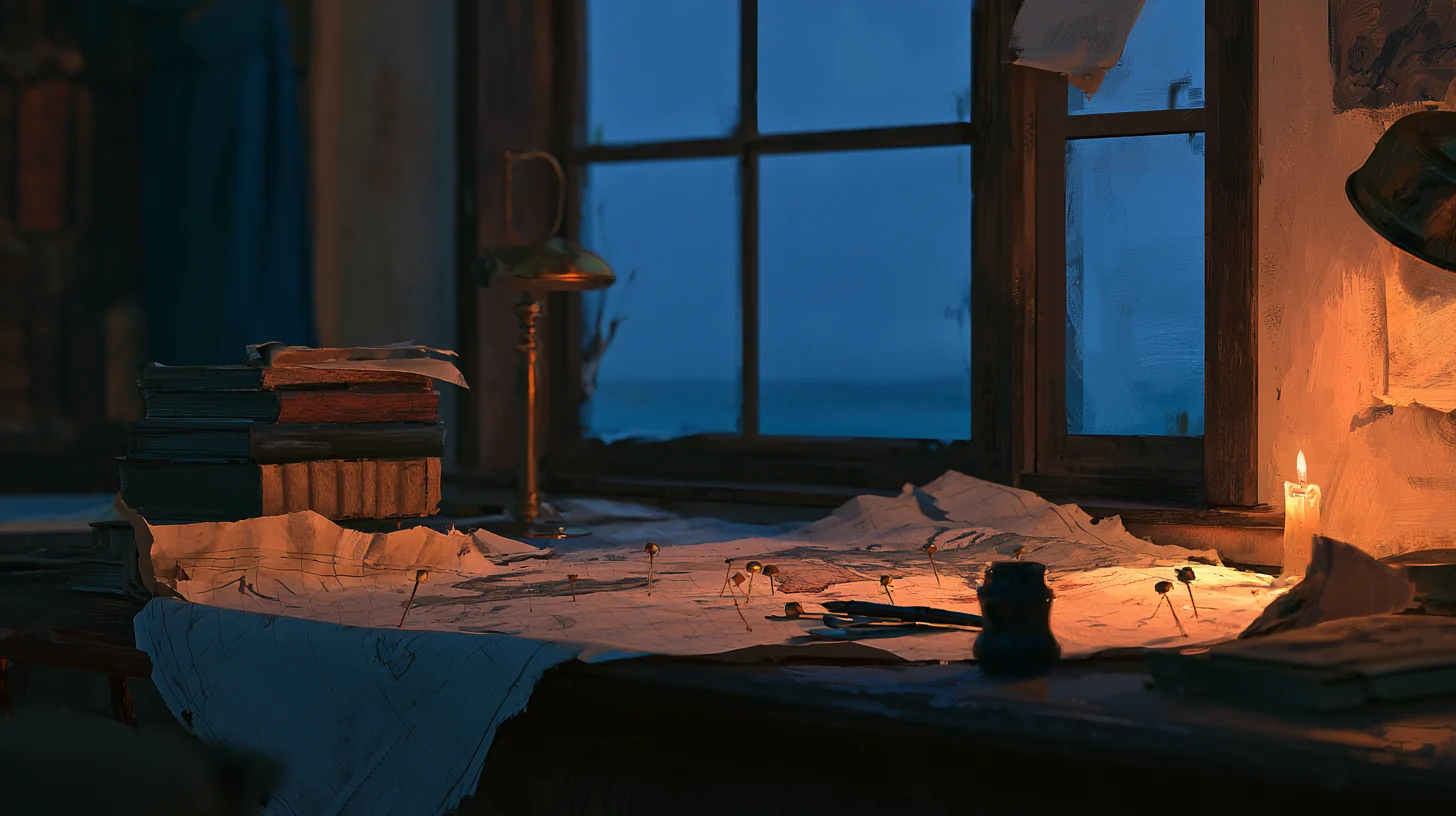 추천 루트FEATURED
🏅노벨문학상 지도The Nobel Literature Map
1901년 파리에서 시작해 2024년 서울에 닿는다. 118회 122명 전원을 시대별로 지도 위에 놓았다 — 누가 어디에서 무엇을 썼고, 그 작품이 무엇을 묻는가.From Paris in 1901 to Seoul in 2024 — all 118 awards and 122 laureates, placed by period.
→
추천 루트FEATURED
🏅노벨문학상 지도The Nobel Literature Map
1901년 파리에서 시작해 2024년 서울에 닿는다. 118회 122명 전원을 시대별로 지도 위에 놓았다 — 누가 어디에서 무엇을 썼고, 그 작품이 무엇을 묻는가.From Paris in 1901 to Seoul in 2024 — all 118 awards and 122 laureates, placed by period.
→
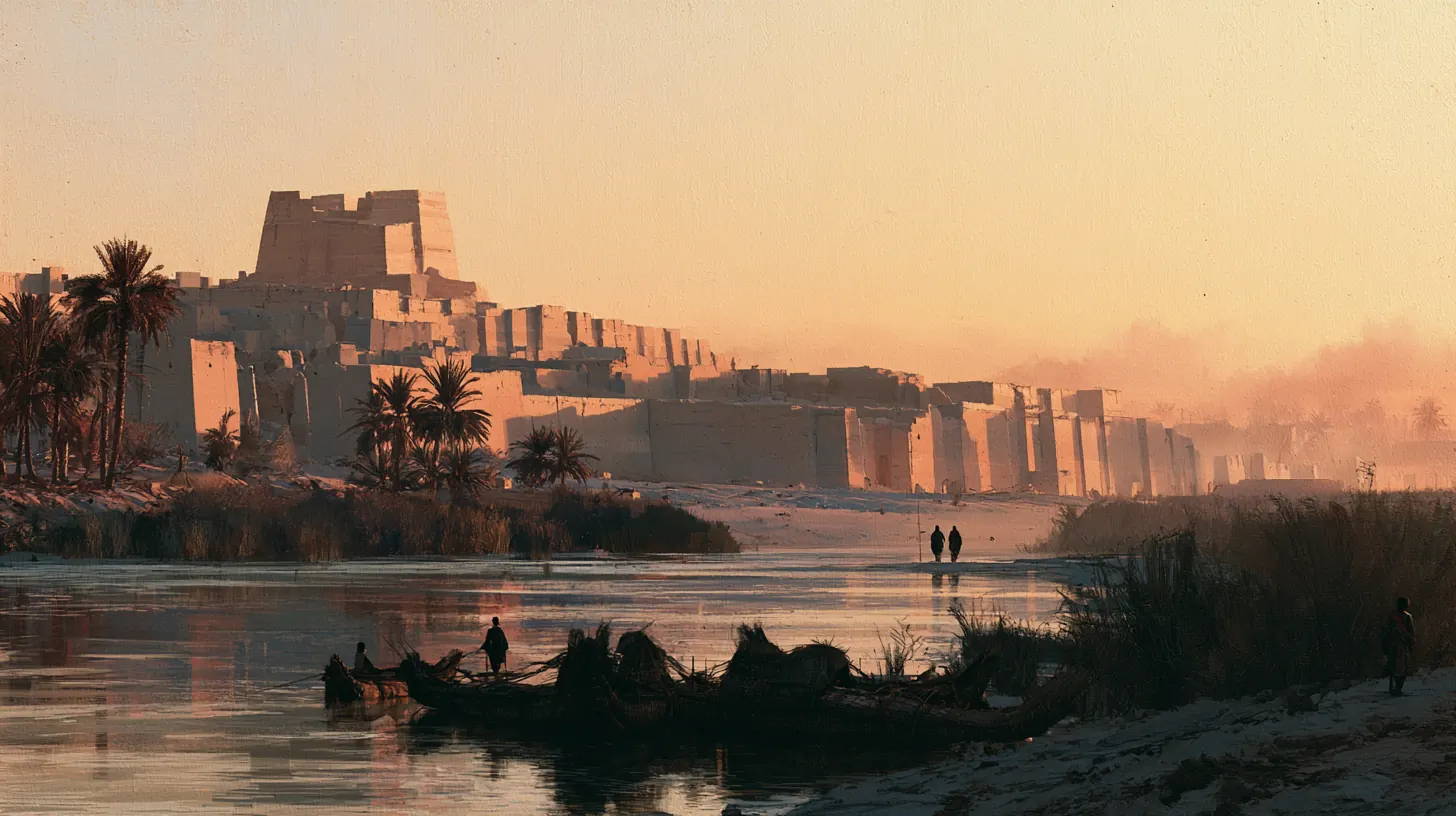 추천 루트FEATURED
🏺길가메시의 여정The Journey of Gilgamesh
인류가 남긴 가장 오래된 이야기. 우루크의 성벽에서 삼나무 숲으로, 대홍수의 현자를 찾아 세상 끝까지 — 그리고 3천 년 뒤 니네베의 폐허에서 다시 읽히기까지.The oldest story humanity left — from the walls of Uruk to the end of the world, and back out of the ruins of Nineveh.
→
추천 루트FEATURED
🏺길가메시의 여정The Journey of Gilgamesh
인류가 남긴 가장 오래된 이야기. 우루크의 성벽에서 삼나무 숲으로, 대홍수의 현자를 찾아 세상 끝까지 — 그리고 3천 년 뒤 니네베의 폐허에서 다시 읽히기까지.The oldest story humanity left — from the walls of Uruk to the end of the world, and back out of the ruins of Nineveh.
→
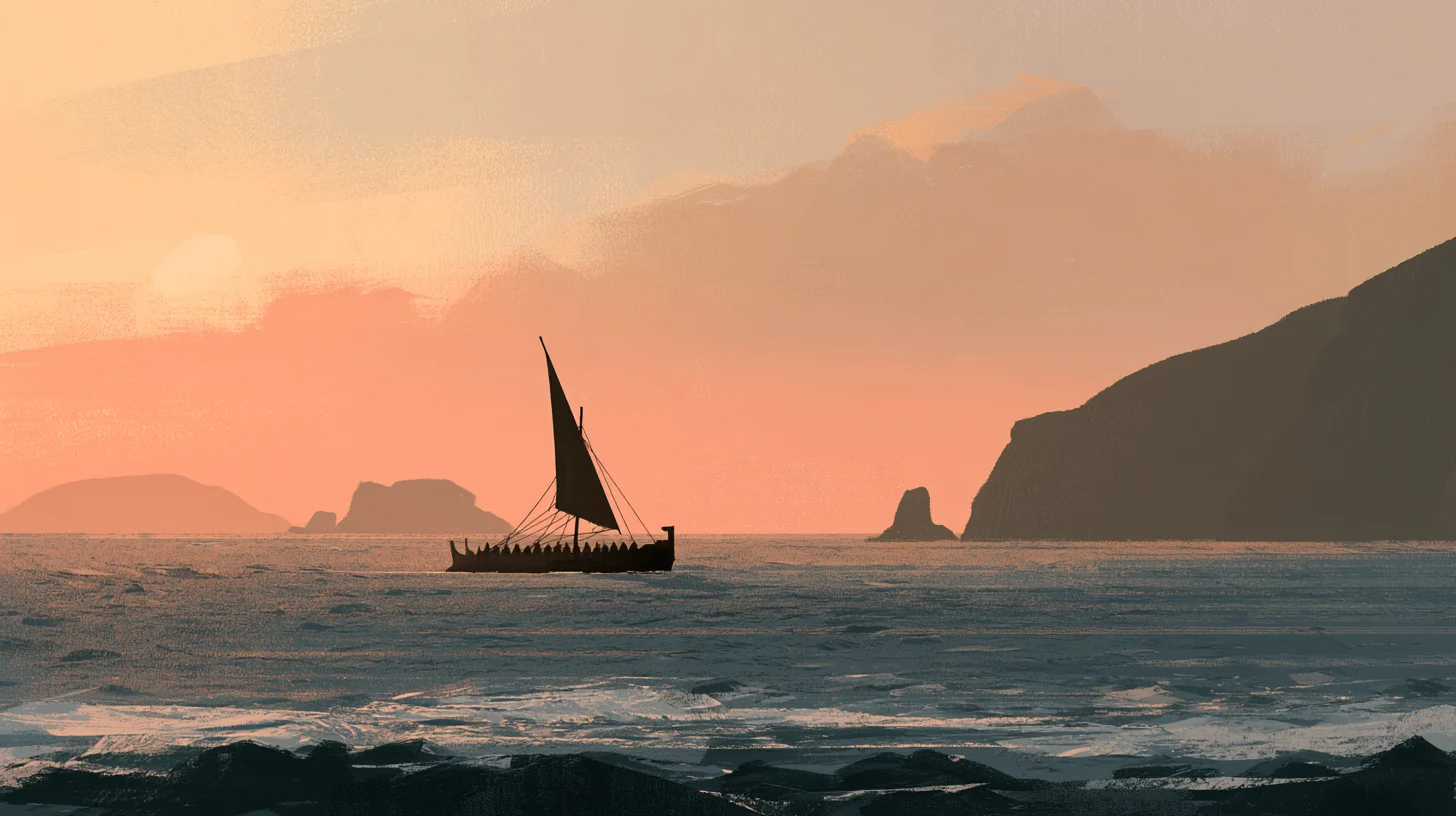 추천 루트FEATURED
⛵오디세우스 여정 지도The Voyage of Odysseus
트로이에서 이타카까지 10년. 키클롭스와 세이렌과 스킬라를 지나, 영원한 생명을 거절하고 늙어갈 아내에게 돌아가는 항해.Ten years from Troy to Ithaca — past the Cyclops and the Sirens, refusing immortality to go home.
→
추천 루트FEATURED
⛵오디세우스 여정 지도The Voyage of Odysseus
트로이에서 이타카까지 10년. 키클롭스와 세이렌과 스킬라를 지나, 영원한 생명을 거절하고 늙어갈 아내에게 돌아가는 항해.Ten years from Troy to Ithaca — past the Cyclops and the Sirens, refusing immortality to go home.
→
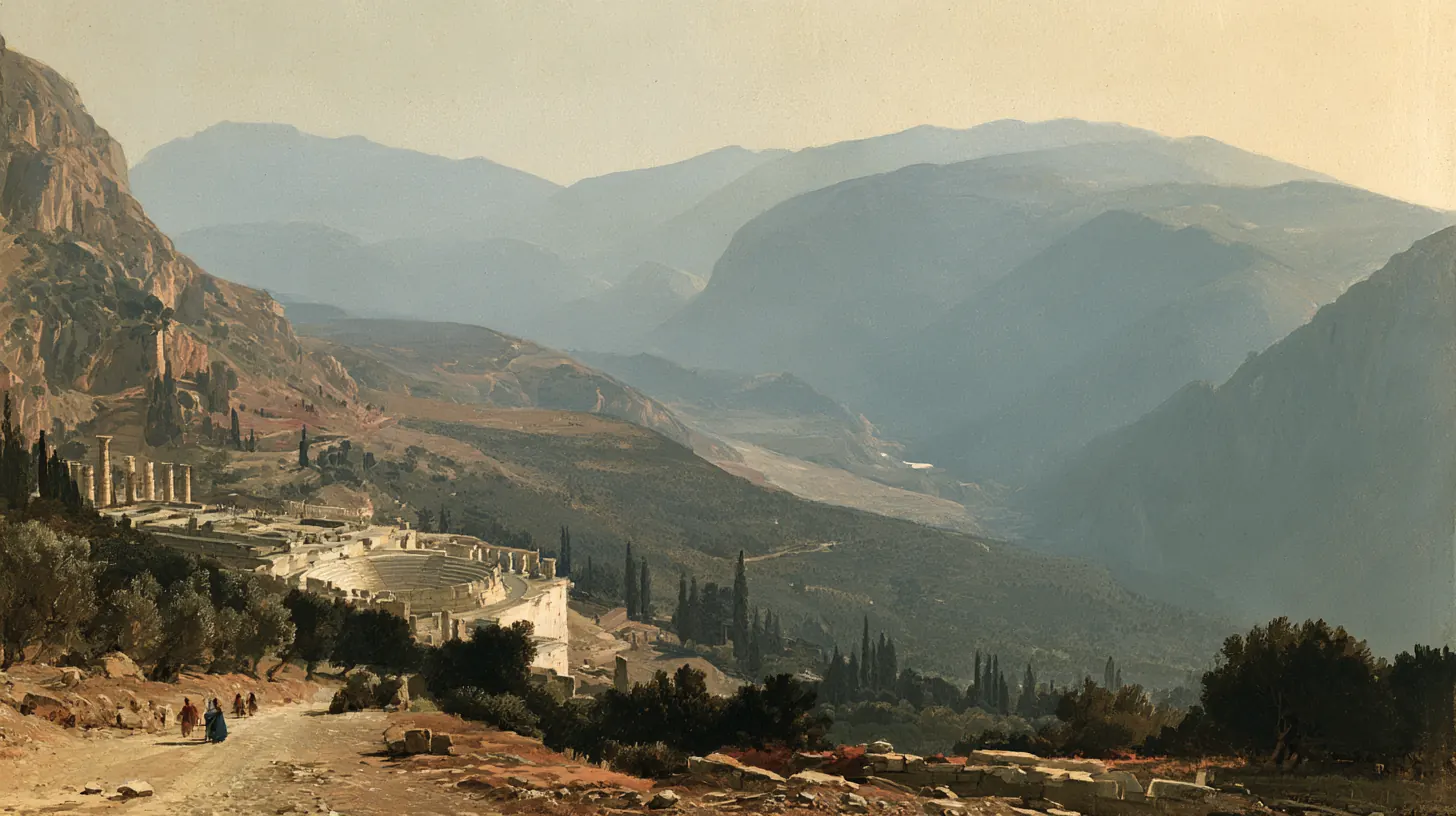 추천 루트FEATURED
🏛그리스 성소 순례A Pilgrimage of Greek Sanctuaries
델포이 신탁, 올림피아, 델로스, 에페소스. 신들이 실제로 숭배받던 자리를 순례하며 각 성소의 주인 신을 인물 사전에서 만난다.Delphi, Olympia, Delos, Ephesus — eleven places where the gods were actually worshipped.
→
추천 루트FEATURED
🏛그리스 성소 순례A Pilgrimage of Greek Sanctuaries
델포이 신탁, 올림피아, 델로스, 에페소스. 신들이 실제로 숭배받던 자리를 순례하며 각 성소의 주인 신을 인물 사전에서 만난다.Delphi, Olympia, Delos, Ephesus — eleven places where the gods were actually worshipped.
→
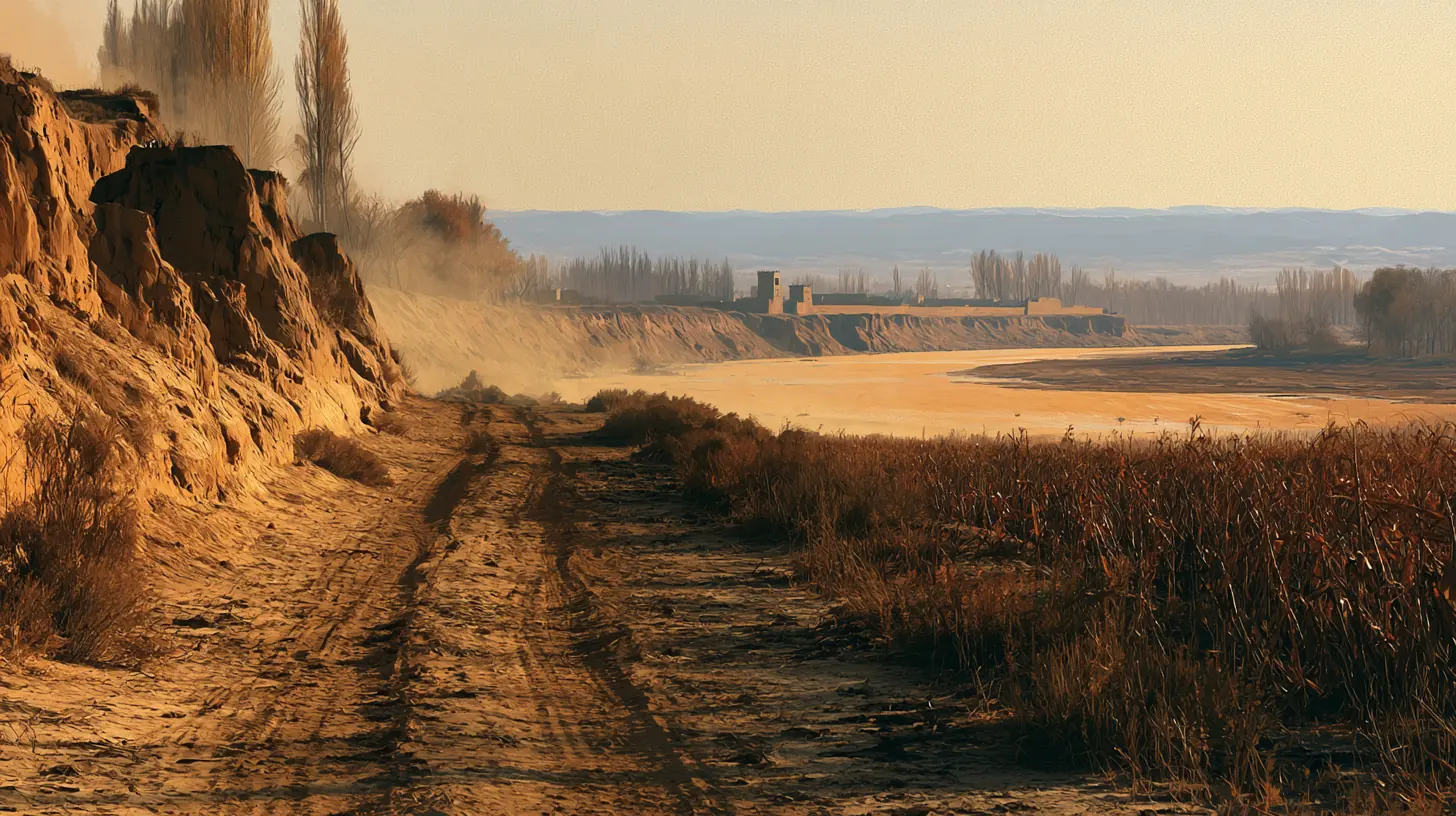 추천 루트FEATURED
🐎공자의 주유천하The Wandering Years of Confucius
쉰다섯에 벼슬을 버리고 떠나 예순여덟에 아무것도 얻지 못한 채 돌아왔다. 포위당하고 굶고 상갓집 개라는 말을 듣는 14년 — 그 실패가 어떻게 2천 5백 년을 건너왔는가.He left office at fifty-five and came home at sixty-eight with nothing — besieged, starved, called a stray dog. Fourteen years of failure that crossed 2,500 years.
→
추천 루트FEATURED
🐎공자의 주유천하The Wandering Years of Confucius
쉰다섯에 벼슬을 버리고 떠나 예순여덟에 아무것도 얻지 못한 채 돌아왔다. 포위당하고 굶고 상갓집 개라는 말을 듣는 14년 — 그 실패가 어떻게 2천 5백 년을 건너왔는가.He left office at fifty-five and came home at sixty-eight with nothing — besieged, starved, called a stray dog. Fourteen years of failure that crossed 2,500 years.
→
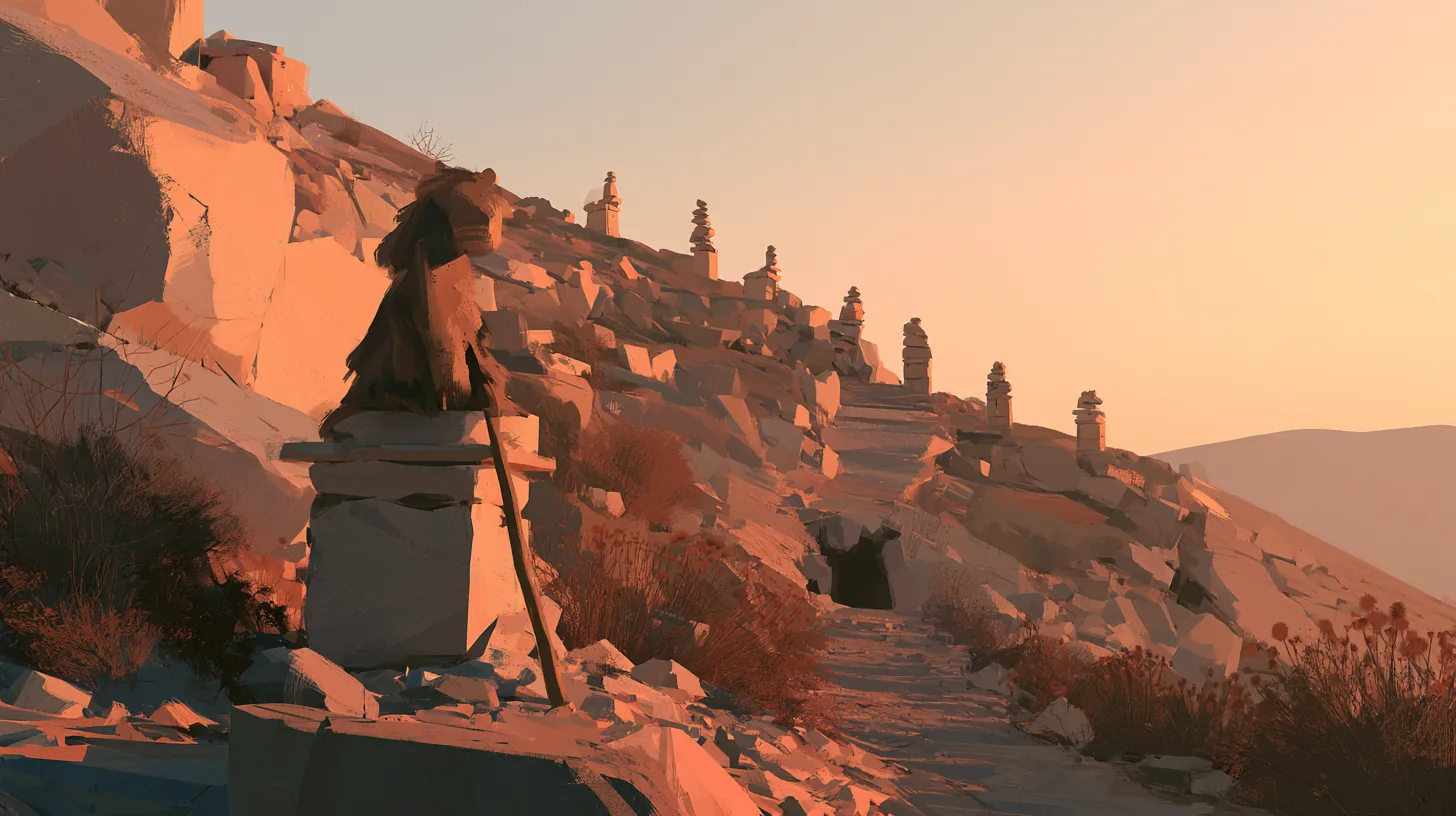 추천 루트FEATURED
🦁헤라클레스의 12과업The Twelve Labours of Heracles
→
추천 루트FEATURED
🦁헤라클레스의 12과업The Twelve Labours of Heracles
→
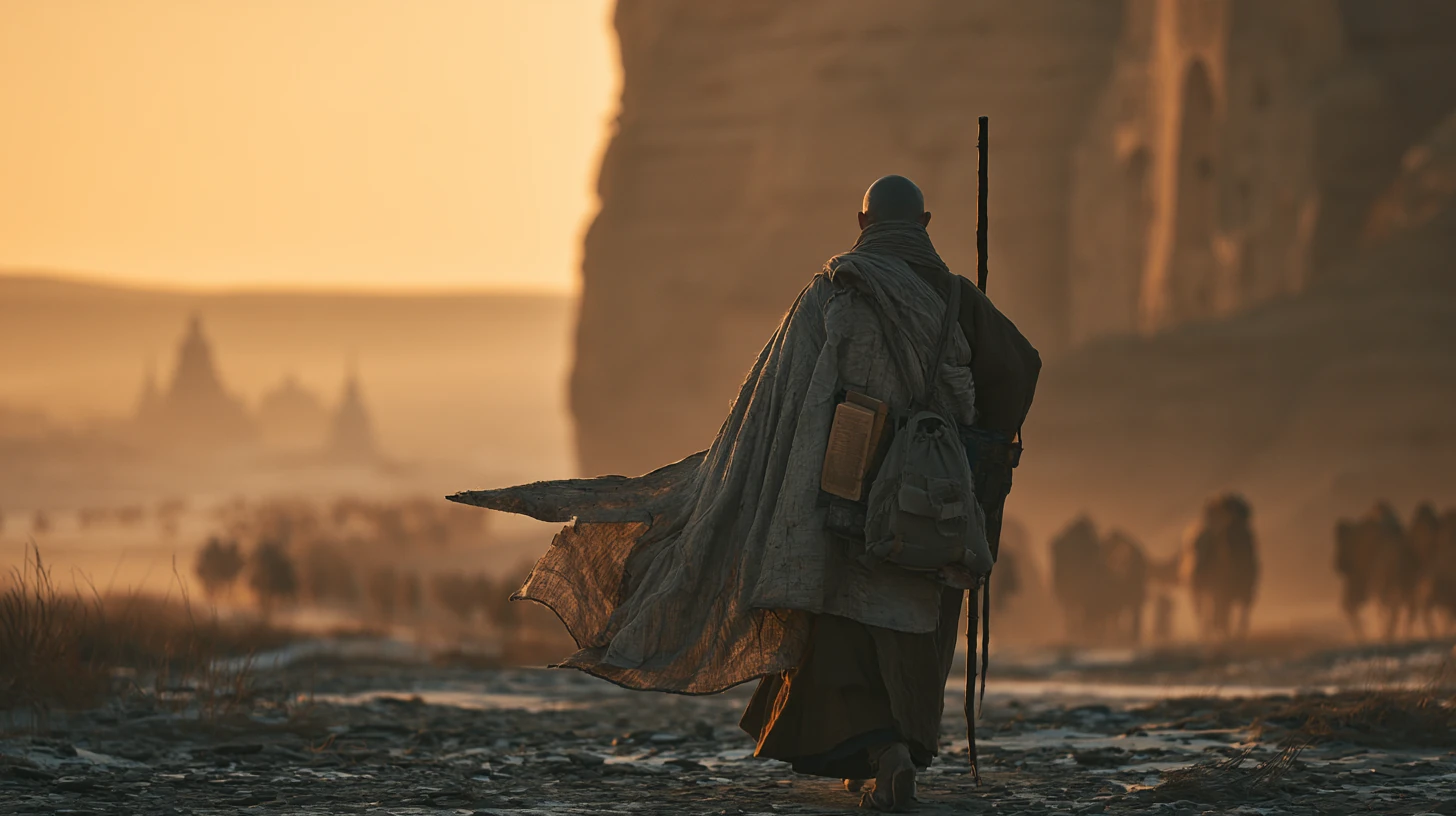 추천 루트FEATURED
🧭혜초의 왕오천축국전Hyecho and the Memoir of the Five Indian Kingdoms
→
추천 루트FEATURED
🧭혜초의 왕오천축국전Hyecho and the Memoir of the Five Indian Kingdoms
→
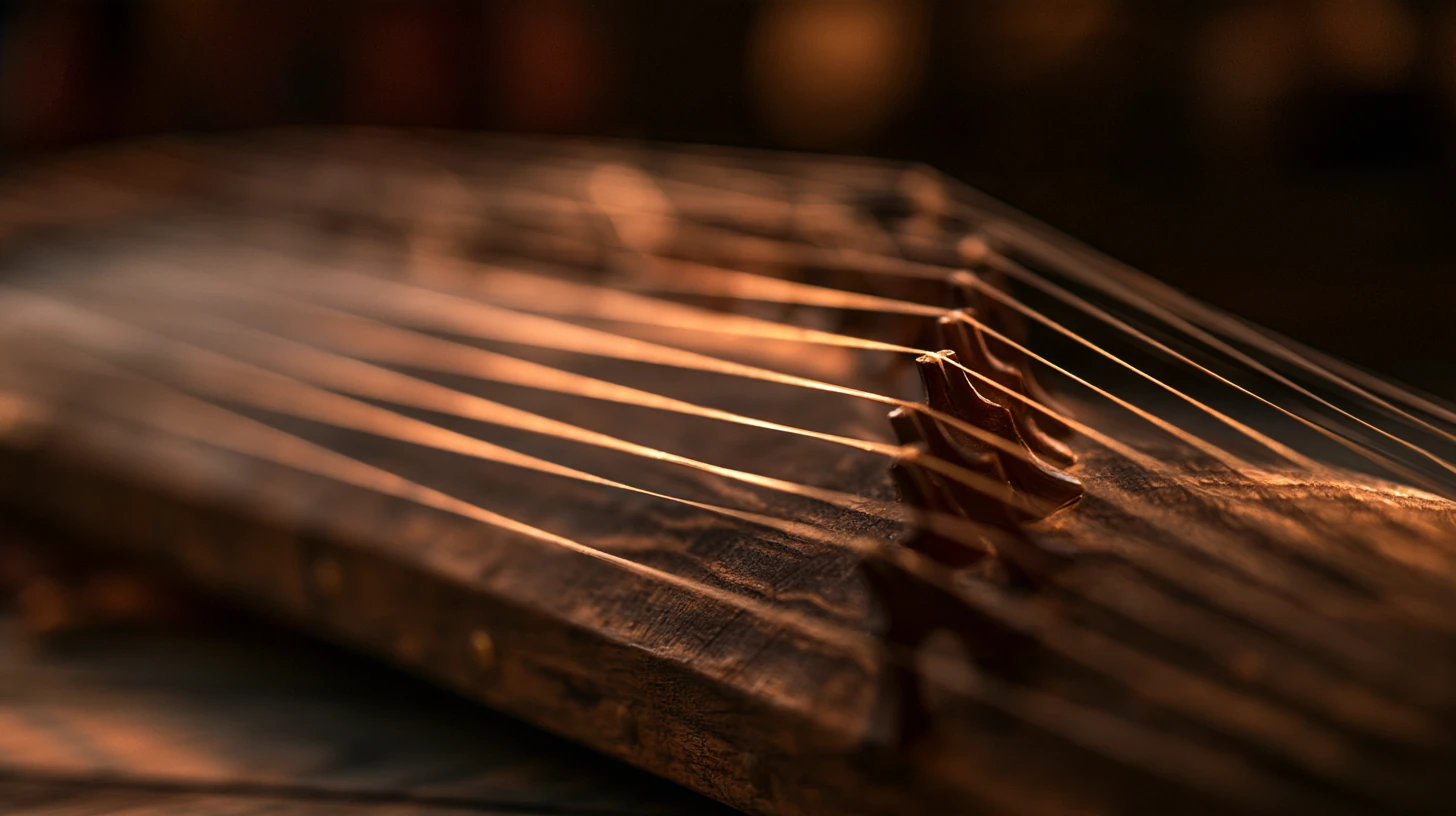 추천 루트FEATURED
🎋국악Gugak: Korean Music
종묘의 제사 음악에서 마당의 판소리까지 열다섯 자리. 정거장마다 무엇이 들리는지와, 그 음악을 지금 누가 연주하는지를 적었습니다. 예술사 루트의 마지막입니다.Fifteen places from ritual music in the royal shrine to a story sung in a courtyard, with what to listen for and who plays it now. The last of the art-history routes.
→
추천 루트FEATURED
🎋국악Gugak: Korean Music
종묘의 제사 음악에서 마당의 판소리까지 열다섯 자리. 정거장마다 무엇이 들리는지와, 그 음악을 지금 누가 연주하는지를 적었습니다. 예술사 루트의 마지막입니다.Fifteen places from ritual music in the royal shrine to a story sung in a courtyard, with what to listen for and who plays it now. The last of the art-history routes.
→
 추천 루트FEATURED
🏺한국미술사Korean Art: A History
울산 바위에 새긴 고래에서 백남준의 텔레비전까지 스물한 자리. 서양 미술사 루트와 짝을 이루어, 정거장마다 「그때 서양은」을 나란히 놓고 작품이 지금 어디 있는지까지 적었습니다.Twenty-one places from whales cut into a rock at Ulsan to Nam June Paik’s television — the companion to the Western art route, noting what the West was doing and where each work is now.
→
추천 루트FEATURED
🏺한국미술사Korean Art: A History
울산 바위에 새긴 고래에서 백남준의 텔레비전까지 스물한 자리. 서양 미술사 루트와 짝을 이루어, 정거장마다 「그때 서양은」을 나란히 놓고 작품이 지금 어디 있는지까지 적었습니다.Twenty-one places from whales cut into a rock at Ulsan to Nam June Paik’s television — the companion to the Western art route, noting what the West was doing and where each work is now.
→
 추천 루트FEATURED
🖼️미술사Art: A History
레오나르도가 「최후의 만찬」을 끝내던 해 조선에서는 무오사화가 일어났고, 마네가 낙선전에서 비웃음을 사던 해에 고종이 왕위에 올랐다. 조토에서 뒤샹까지 스무 정거장, 저작권이 끝난 작품 열여덟 점을 그림 그대로 싣고 어디를 보면 되는지 적었다.From Giotto to Duchamp in twenty-two stops, beside the Korean year that shared each one — with eighteen public-domain paintings shown in full, and what to look for in each.
→
추천 루트FEATURED
🎹클래식 입문Classical: A First Guide
바흐는 왜 음악의 아버지이고 헨델은 왜 어머니인가. 베토벤은 왜 악성이고 모차르트는 왜 천재인가. 그 곡을 언제 어디서 왜 만들었고, 지금 우리는 어디를 들으면 되는가. 악장이 무엇인지, 오페라를 어떻게 듣는지도 한 정거장에 하나씩 익힌다.Why is Bach the father of music and Handel the mother? When, where and why each piece was written — and what to listen for now, with one basic term at every stop.
→
추천 루트FEATURED
🎼클래식 역사Classical: A History
바흐가 죽던 해에 균역법이 시행됐고, 모차르트가 죽던 해에 신해통공이 있었으며, 바그너가 자기 극장을 여는 동안 강화도조약이 맺어졌다. 서양 음악의 결정적 순간 열넷을 같은 해의 한국과 나란히 놓는다.The year Bach died, Joseon halved the cloth levy; the year Mozart died, it opened the markets; while Wagner opened his own theatre, Korea signed at Ganghwa.
→
추천 루트FEATURED
🖼️미술사Art: A History
레오나르도가 「최후의 만찬」을 끝내던 해 조선에서는 무오사화가 일어났고, 마네가 낙선전에서 비웃음을 사던 해에 고종이 왕위에 올랐다. 조토에서 뒤샹까지 스무 정거장, 저작권이 끝난 작품 열여덟 점을 그림 그대로 싣고 어디를 보면 되는지 적었다.From Giotto to Duchamp in twenty-two stops, beside the Korean year that shared each one — with eighteen public-domain paintings shown in full, and what to look for in each.
→
추천 루트FEATURED
🎹클래식 입문Classical: A First Guide
바흐는 왜 음악의 아버지이고 헨델은 왜 어머니인가. 베토벤은 왜 악성이고 모차르트는 왜 천재인가. 그 곡을 언제 어디서 왜 만들었고, 지금 우리는 어디를 들으면 되는가. 악장이 무엇인지, 오페라를 어떻게 듣는지도 한 정거장에 하나씩 익힌다.Why is Bach the father of music and Handel the mother? When, where and why each piece was written — and what to listen for now, with one basic term at every stop.
→
추천 루트FEATURED
🎼클래식 역사Classical: A History
바흐가 죽던 해에 균역법이 시행됐고, 모차르트가 죽던 해에 신해통공이 있었으며, 바그너가 자기 극장을 여는 동안 강화도조약이 맺어졌다. 서양 음악의 결정적 순간 열넷을 같은 해의 한국과 나란히 놓는다.The year Bach died, Joseon halved the cloth levy; the year Mozart died, it opened the markets; while Wagner opened his own theatre, Korea signed at Ganghwa.
→
"국가란 무엇인가?" 하나의 질문에 시대와 대륙을 건너 여러 사상가가 답합니다. 이 아틀라스의 심장.One question, many answers across time and continents. The heart of this atlas.
심리학이 실제로 쓰는 성격 모형은 MBTI 가 아니라 헥사코입니다. 유형으로 가르지 않고 여섯 축의 정도로 보는 60문항 검사. 결과는 저장하지 않고, 축마다 그 문제를 두고 다툰 사상가들로 이어집니다.Research uses HEXACO, not MBTI: six dimensions by degree rather than sixteen types. Sixty items, nothing saved, each dimension leading to the thinkers who argued over it.
신화의 시대부터 지금까지, 이 지도에 선 사상가 117명 전원 — 시대순으로 한자리에.Every thinker on this map, 117 in all, from the age of myth to now — gathered in order of time.
맹자와 한비자, 아인슈타인과 보어, 사르트르와 카뮈 — 실제로 벌어진 충돌만 담았습니다. 누가 이겼는지가 아니라 어디서 왜 갈라졌는지.Mencius and Xunzi, al-Ghazali and Ibn Rushd, Popper and Kuhn — only confrontations that actually happened.
🏅 노벨문학상 지도 — 1901년 파리에서 2024년 서울까지, 122명 전원.
그리고 공자의 주유천하, 길가메시의 여정, 오디세우스 여정 지도, 헤라클레스의 12과업, 그리스 성소 순례.🏅 The Nobel Literature Map — Paris 1901 to Seoul 2024, all 122 laureates.
Plus the wandering years of Confucius, Gilgamesh, the Odyssey, the labours and the sanctuaries.
신화와 서사시, 훈민정음 해례본, 조선 사상사. 7개 시리즈 75편 — 지도가 못 담는 깊이는 여기에.Myth and epic, the Hunminjeongeum, Joseon thought — seven series, 75 entries.
이기론이 뭐지? 마술적 사실주의는? 빙산 이론은? — 뜻만이 아니라 쉬운 풀이와 그 말이 생긴 이유까지. 8개 분류 87항목.Not just definitions — a plain reading and why the word came to exist. 87 terms in eight groups.
지도를 오래 걷다 잠깐 앉는 자리. 같은 질문을 음악과 영상으로 붙들어 본 것들입니다.A bench on a long walk — the same questions held as music and film.
 쉼터THE BENCH
→
쉼터THE BENCH
→